
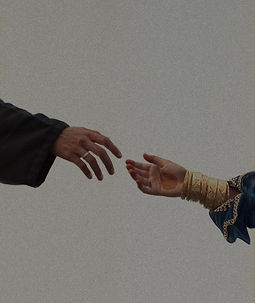
Wisdom of Our Elders: Redefining Mental Health Through Timeless Insights
Mental health is a growing conversation in today’s world, with increasing efforts to promote awareness and reduce stigma. But as we champion these developments, it’s worth considering the perspective of our elders in the UAE.
Often, they do not dwell on the concept of “mental health struggles.” Is this due to denial, or is there a deeper story at play?
Perhaps they lived lives so deeply rooted in protective cultural and social frameworks that the need for external mental health interventions was minimised.
Traditionally, life in the UAE revolved around strong community ties. Family units weren’t just close knit; they were foundational. Elders were viewed as keepers of wisdom, and their guidance shaped generations.
Everyday life was steeped in cultural rituals that strengthened bonds, fostered meaning, and provided emotional anchors. It wasn’t labeled as “mental health care.” It didn’t need to be. Their way of life naturally supported emotional resilience, creating ecosystems where challenges were faced together, never in isolation.
Our elders found strength through connection, spirituality, and the enduring values of generosity and gratitude. Their sense of purpose was interwoven with the wellbeing of their families and communities. They leaned into shared responsibilities and celebrated the power of supporting one another. Modern psychology now advocates many of these principles, yet for our elders, they were simply a way of living.
Our Founding Father, Sheikh Zayed bin Sultan Al Nahyan once said,
“He who does not know his past cannot make the best of his present and future, for it is from the past that we learn.”
This profound insight reminds us that in the UAE, our past isn’t something distant; it’s a source of inspiration. The resilience, values, and wisdom of our elders hold lessons that can guide us, not only in navigating mental health but in fostering a more connected and compassionate society.
As we continue to explore the needs of modern mental health, it’s vital to look back and learn from these lived experiences. Protective factors like community, shared purpose, and cultural traditions are bridges that can connect the wisdom of the past with the challenges of the present.
Rather than viewing their perspective as outdated, we should honour and seek to understand the deeper framework of their lives. Their stories and experiences show us that resilience and wellbeing are fostered not just through individual effort but through environments of care and connection. These are principles that transcend time and have the power to enrich the present and future.
Our elders are not merely a link to the past; they are a beacon for what’s possible. Their wisdom is a gift, a reminder that we can find strength in unity, purpose in tradition, and inspiration in their enduring guidance. Through their lived example, we see the blueprint for a life of balance, resilience, and shared meaning.
The conversation doesn't end here.
By honouring the wisdom of our elders, we continue the legacy of learning from the past to build a future that is not just informed but profoundly connected to the values that have shaped our identity.